If you’ve ever wondered why gas prices seem to change overnight—or even hour by hour—you’re not alone. The cost at the pump is influenced by a complex mix of global events, seasonal trends, and local competition. Understanding these variables can help you anticipate price hikes and find better ways to save when they happen.
Here’s a breakdown of the biggest factors driving fuel prices—and how to shop smart around them.
- Crude Oil Prices Drive the Base Cost
The largest component of gasoline pricing is the cost of crude oil. According to the U.S. Energy Information Administration (EIA), crude accounts for more than 50% of the price you pay at the pump.
Oil prices fluctuate based on global supply and demand, geopolitical events, and decisions from organizations like OPEC. If a major oil-producing region experiences conflict or supply disruptions, expect to see gas prices rise accordingly.
- Seasonal Blends Affect Costs
Gasoline formulas change throughout the year. In summer, the EPA requires refineries to produce fuel blends that reduce smog and meet air quality standards. These summer blends are more expensive to produce—and that cost gets passed to consumers.
This is why prices often increase in spring, peaking in late May through July. To track seasonal trends, the EIA publishes updated weekly gas price data.
- State and Local Taxes Make a Big Difference
Gasoline taxes vary widely by state. For example, California has some of the highest state fuel taxes, while states like Missouri and Mississippi sit near the bottom. Local taxes or environmental fees can also add to the final price.
You can view a breakdown of taxes by state through the American Petroleum Institute (API).
- Refinery and Transportation Costs Can Spike Prices
Refineries process crude oil into usable gasoline, but if a refinery shuts down for maintenance—or due to a storm—it can tighten supply. Likewise, transporting fuel across long distances (especially to rural or isolated areas) increases cost.
Pipeline disruptions or rail shortages can temporarily cause regional price surges.
- Competition Impacts Pricing at the Local Level
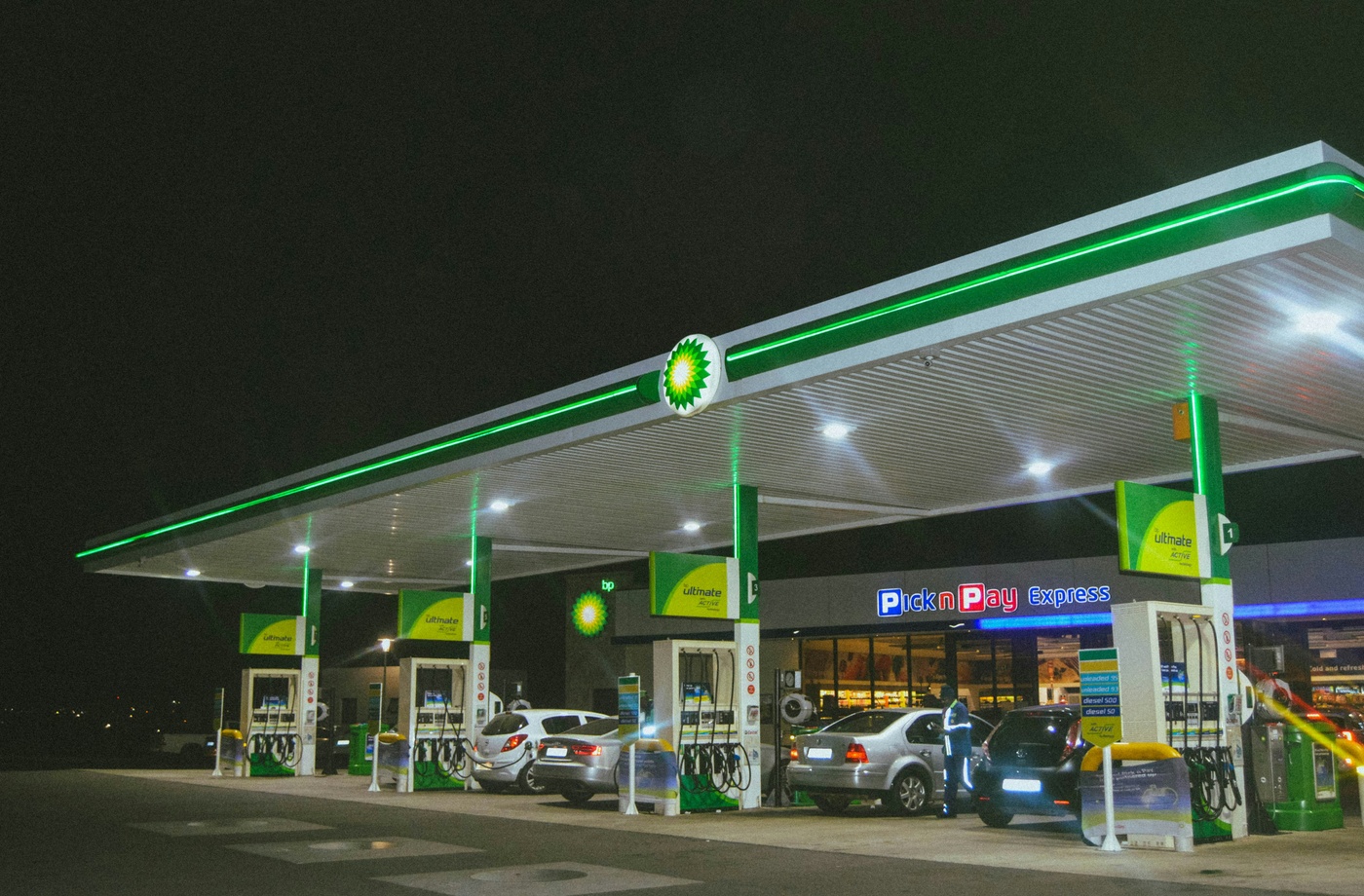
Even in the same neighborhood, gas prices can differ dramatically based on the station’s brand, amenities, and location. Stations near highways or in city centers often charge more for convenience. Those in competitive areas with many nearby stations tend to lower prices to attract drivers.
To avoid overpaying, use real-time price comparison apps like GasBuddy or check AAA Gas Prices before filling up.
- How to Shop Around Fuel Price Volatility
While you can’t control oil markets or taxes, you can reduce your fuel costs by shopping smart:
- Fill up early in the week—Monday and Tuesday are typically the cheapest days.
- Avoid refueling in high-demand areas like downtown stations or near airports.
- Sign up for loyalty programs like Fuel Rewards or BPme Rewards to get consistent cents-off discounts.
- Use comparison tools to plan where and when to fill up before long drives.
And while not all price hikes are avoidable, understanding the reasons behind them can help you feel more in control of your fuel spending.
Conclusion
Gas prices may seem unpredictable, but they follow trends driven by oil markets, seasonal shifts, taxes, and local supply chains. By staying informed—and using apps to find the best local prices—you can shop around volatility and make smarter decisions every time you fill up.